A rock snaps up from the interstate near Cayce, you hear that sharp tick, and a star-shaped chip blooms across your field of view. Or maybe a branch comes down after a summer storm in Forest Acres and leaves a crack creeping from the passenger-side edge. It happens fast, then the questions start. Can I drive it? Will it spread? Do I need a full windshield replacement, or can a repair hold? This is where good judgment, timing, and the right partner in Columbia make all the difference.
I have spent years around body shops, mobile repair vans, and dealerships that see damaged glass every day. The instincts that help you get through the first 24 hours can save you money and reduce risk. The rest comes down to understanding how auto glass behaves, what repair standards look like, and how Columbia’s climate and roads affect your choices.
What actually happens to glass in an impact
Windshields are laminated glass, two sheets of glass bonded to a clear PVB interlayer that holds everything together. Side and rear windows on most vehicles are tempered glass, designed to crumble into small pellets instead of dangerous shards. Laminated glass is engineered to crack but stay intact, which protects you in a collision and lets many chips be repaired. Tempered side windows, once compromised, usually require replacement.
The first minutes after impact matter because cracks propagate under stress. Three forces accelerate that spread: temperature swings, flex in the body of the vehicle, and contamination in the break. Columbia has all three in play. Afternoon heat pushes windshield temperatures well above 120 degrees, then cool evening air shrinks the glass. Driving over rough patches on I‑26 or Gervais Street flexes the body. Dirt and water worm into the fracture, staining the PVB and reducing resin bonding later. If you act early, a small chip stays a chip. If you wait, it turns into a replacement.
The first hour: practical damage control
If you are out on the road when the damage occurs, get off the throttle and back off traffic to avoid further impacts. Park in the shade if you can. Avoid blasting the defroster or AC directly onto the glass. Resist the urge to poke or pick at the chip. I keep a business-card sized piece of clear tape in the glovebox for this exact scenario. A small square placed gently over the chip keeps out moisture and grit until a technician can inspect it. Masking tape works in a pinch, but avoid duct tape. The residue can complicate cleanup.
If the break involves side glass that has shattered, treat it like a water entry and theft risk. Secure the opening, sweep loose pellets out of door seals, and avoid running power windows that can jam on debris. A mobile auto glass Columbia team can usually meet you the same day for temporary weatherproofing.
Can you drive it, and is it safe?
A cracked windshield is not just a visual issue, it is structure. Modern vehicles rely on the windshield for roof strength and proper airbag deployment. There is also the matter of visibility and South Carolina law, which prohibits operating a vehicle if the view is materially obstructed. Officers use judgment here, but a long crack running through the driver’s line of sight can earn you a citation. If a crack cuts across the driver’s side wiper arc or you see distortion around the damage when you look through it, treat it as a priority. Park the vehicle and arrange mobile service if possible.
Small chips that sit outside the primary view and do not have long legs can be driven short distances to an auto glass shop Columbia drivers trust. Keep speeds moderate, avoid potholes, and park in a garage or under cover to stabilize temperature.
Repairable or replaceable: how technicians decide
In practice, technicians in windshield repair Columbia businesses evaluate four things: size, type, location, and contamination. Size matters because repairs rely on capillary resin filling the void. Most star breaks, bulls-eye chips, and combination chips under the size of a quarter can be restored to structural integrity. Cracks shorter than about 6 inches are often candidates if they are not contaminated or directly at the edge. Anything that reaches the edge of the glass is more prone to spread because the edge is a stress riser. Long cracks, impact zones within the driver’s critical viewing area, or damage that has been dirty and wet for weeks push you toward replacement.
Side and rear glass rarely gets repaired because it is tempered. If a side window is cracked, it is compromised even if it hasn’t fallen apart yet. Car window repair Columbia technicians will quote replacement, not a patch, for tempered pieces.
How a professional chip repair actually works
A proper windshield chip repair looks simple but relies on correct setup and patience. The technician inspects and photographs the break, clears any loose shards, and often uses a micro drill to open a tight impact point. A bridge tool adheres to the glass and aligns a vacuum injector over the center of the chip. Negative pressure draws out air and moisture. Then, a low-viscosity UV-curable resin is introduced and cycled under vacuum and pressure so it wicks into each microfracture. When the breaks are completely filled, a UV lamp cures the resin in minutes. Excess is scraped flush and polished. The repaired area is not invisible from every angle, but it blends remarkably well, and more importantly it halts the crack’s spread and restores much of the windshield’s strength.
Good shops select resin based on viscosity, temperature, and chip type. On a hot Columbia afternoon, a higher-viscosity resin can prevent overfill or cosmetics issues. In cooler mornings, thinner resin reaches the tips more reliably. This detail work is why DIY kits deliver mixed results. Kits can help in a pinch on a simple bulls-eye, yet you get one chance. If you trap air or cure with contaminants in place, a professional can do little to improve it later.
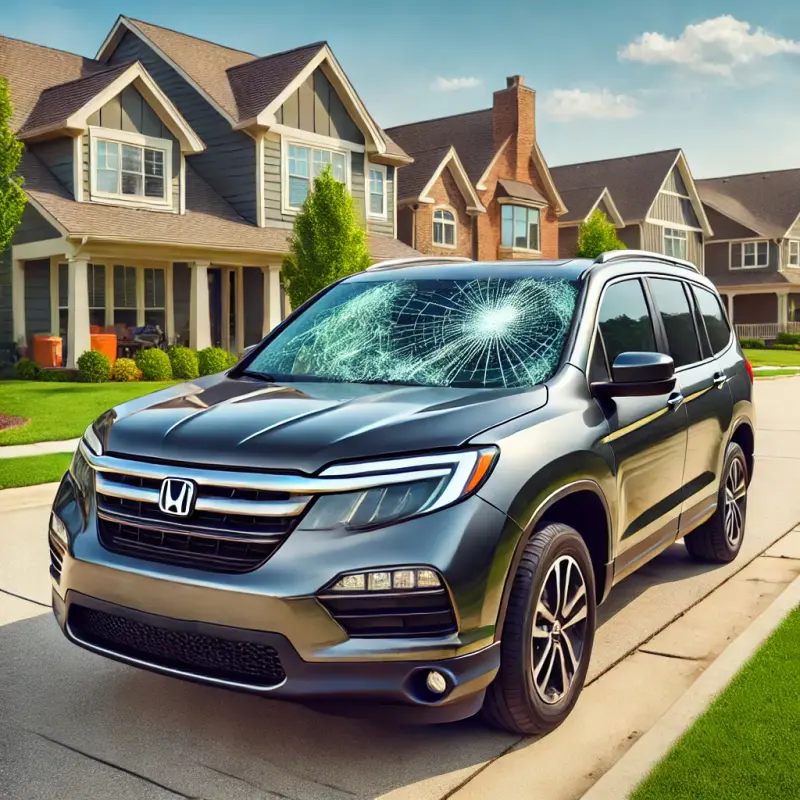
When full windshield replacement makes more sense
Replacement is the correct choice when damage is extensive, in the driver’s primary viewing area, directly on a sensor or camera, or compromised by edge cracks. Many newer vehicles include ADAS equipment mounted near the mirror: lane departure cameras, rain sensors, even heads-up display coatings. A cheap piece of glass with the wrong optical properties or poor bracket alignment can throw those systems off. That is why reputable windshield replacement Columbia providers ask for your VIN and options list.
There are tiers of glass. OEM glass matches the original specifications, including acoustic interlayers and solar coatings. High-quality aftermarket glass can be excellent and often costs less. Cheapest generic panels may fit, but can introduce distortion or thickness variations. If you drive a luxury model with acoustic laminates, ask for equivalent material. On work trucks, a solid aftermarket brand is often perfect. It is not always a simple price decision. A misaligned rain sensor will drive you crazy in a summer downpour, and ADAS recalibration can add required steps.
ADAS recalibration is not optional
If your vehicle uses a forward camera mounted to the glass, a replacement typically triggers a recalibration. Some models accept static calibration with a target board placed at precise distances in a controlled space. Others require dynamic calibration, a drive cycle at specified speeds on well-marked roads. Skipping this step leads to false lane departure alerts or, worse, a system that fails to warn when it should. A complete auto glass replacement Columbia service will either perform calibration in-house or coordinate with a partner. Expect this to add anywhere from 30 minutes to a few hours depending on the car and the method. Many mobile auto glass Columbia teams carry portable targets for static calibration, though some vehicles still need a shop environment.
The role of weather in Richland and Lexington counties
Columbia’s weather swings create their own playbook. Summer heat bakes glass, then afternoon storms drop the temperature fast. That expansion and contraction pumps energy into a crack. Parking in shade or a garage slows the spread. Sudden blasts of AC against a hot windshield produce thermal shock. Set the climate control to a moderate temperature and ramp up. During colder snaps, avoid defroster on high aimed at a frozen chip. In both seasons, that small square of clear tape is the cheapest insurance you can carry.
Humidity matters too. Moisture wicks into the fracture and discolors the PVB interlayer. If the chip turns white or cloudy at the tips, it has absorbed water. A technician can still dry it with heat or vacuum, but the cosmetics may not fully recover. Prompt windshield chip repair Columbia experts get better clarity because they work before humidity takes hold.
Cost, insurance, and what “no cost to you” really means
South Carolina insurers generally treat windshield repair favorably because it prevents costlier replacements. Many policies waive the deductible for a repair. Replacement coverage varies. Some comprehensive policies include full glass protection, others require you to meet a deductible. Before you authorize work, call your carrier or ask the auto glass shop Columbia residents recommend to handle the claim. Most shops process these daily and know the carriers’ procedures. You are still in charge of the decision. An honest shop will not push replacement if a repair is viable, especially since a carrier would prefer the less expensive option anyway.
Expect repair quotes in the range of a modest service call, often less than the average dinner out, while replacements vary widely with ADAS and specialty glass. A simple work truck windshield might be a few hundred dollars. A luxury SUV with acoustic laminated glass, a HUD, and camera brackets can climb well above a thousand. Clarify whether recalibration is included and what glass brand is being installed.
Mobile service versus bringing it to the shop
Mobile auto glass Columbia technicians solve a lot of problems on your schedule. A chip repair in your driveway takes 30 to 45 minutes of hands-on time. Many replacements are done curbside as well. The advantage is convenience and reduced driving risk with a compromised windshield. The downside is weather control. Resin chemistry prefers dry, stable conditions. Skilled mobile techs carry canopies, heaters, and UV lamps, but there are days when a downpour or whipping wind simply argues for a shop bay.
Shops also help with ADAS targets, dust-free curing, and, for complex models, access to service information and specialized brackets. If your vehicle has tint bands, embedded antennas, or unique moldings, the shop environment reduces the chance of a cosmetic hiccup.
What a good shop looks like from the customer side
You can learn a lot in a five-minute call. Ask how they decide between repair and replacement. A straight answer mentions size, location, and safety rather than sales. Ask whether they calibrate ADAS in-house and what method your vehicle requires. A prepared shop knows by model. Ask what glass brand they prefer and why. If a shop offers a lifetime warranty against leaks and air noise, it suggests confidence in their urethane work and prep.
Watch for how they treat prep and cure time. Fast-cure urethanes are common, with safe drive-away times of about an hour, sometimes longer depending on temperature and humidity. If someone says “you can drive immediately,” that is a red flag. Proper bonding and pinch-weld preparation are non-negotiable. Rushing that step leads to wind whistles and rare but serious leak issues.
Aftercare, the part most people skip
Fresh repairs and replacements benefit from a light touch in the first day. Close the doors gently for the first several hours so pressure spikes do not disturb curing urethane. Skip the car wash for 24 to 48 hours. Avoid slamming over speed humps on Rosewood. If you had a repair, do not pick at the cured resin, and give it an hour in the sun to finish hardening if the tech used a handheld lamp. If tape was applied along the exterior molding, leave it in place until they say you can pull it. It helps keep the trim settled while the adhesive sets.
If rain hits a few hours after installation, do not panic. Urethane adhesives are moisture-cured, and humidity actually helps. The key is time and gentle handling.
Edge cases: antiques, RVs, and fleet trucks
Older vehicles and classics bring different decisions. Many classics use flat glass with rubber gaskets and no ADAS, which makes replacements relatively straightforward but demands careful sourcing of correct seals. Some owners choose laminated side glass for added security over the original car window replacement columbia tempered pieces. On antique windshields with wavy vintage glass, an OEM-style replacement preserves the look better than a generic flat pane, but that can mean a longer lead time.
RV and bus windshields are taller, sometimes split, and often bonded into fiberglass. Access, curvature, and parts availability draw out the process. Plan for shop time and weather windows. For fleets that log highway miles to and from the Volvo plant or distribution centers off Shop Road, a repair-first policy pays off. Keeping a chip from turning into a spider web prevents downtime. Many auto glass services Columbia companies offer route-based fleet checks and on-site repairs.
How Columbia’s roads influence damage patterns
Local roads leave patterns you start to recognize. Gravel spray on I‑77 north of Killian Road shows up as lower passenger-side chips where trucks draft. Downtown construction zones create small, sand-like pitting across the whole pane, which is cosmetic but can make night glare worse. The most dangerous pattern I see is long edge cracks birthed by a small chip near the black frit border. Edge cracks spread faster because heat collects at the perimeter and the stress is higher. If you spot a tiny tick at the border, schedule windshield chip repair Columbia style the same day. It buys time and often saves the entire windshield.
The case for fixing chips quickly, even if you plan to sell the car
When selling or trading a vehicle, buyers and appraisers look for excuses to price you down. A cracked windshield Columbia buyers can see from six feet away is an easy deduction. A repaired chip, especially when done promptly, rarely draws comment. If you plan to trade at a dealer on Greystone or Two Notch, ask their used-car manager whether a repair now beats a deduction later. In most cases, a quick repair recovers more value than it costs.
Doing it yourself, when it makes sense and when it doesn’t
A careful DIYer can stabilize a simple bulls-eye on a quiet weekend. Choose a reputable kit, work in the shade, start with a clean, dry surface, and read the instructions twice before touching the glass. The trap is overconfidence. A star break with long legs or a chip with a crushed impact point needs vacuum cycling beyond a basic plunger. A poor DIY repair traps air and stains the PVB, turning a fixable chip into a visible scar. If the chip sits in your driving view, or you rely on the car daily, hand it to a pro. Experienced hands with good resin make a difference you will see at night under streetlights.
Bringing it all together, step by step when an impact happens
- Cover the chip with clear tape, park in shade, and avoid extreme HVAC blasts on the glass. Call a trusted auto glass shop Columbia residents recommend, ask about repair versus replacement, and share your VIN for ADAS details. If replacement is needed, confirm glass brand, sealants used, safe drive-away time, and whether calibration is included. Use mobile auto glass Columbia service if the car isn’t safe to drive or the damage is fresh and small, but accept a shop visit for complex ADAS or bad weather. After service, treat the vehicle gently for the first day and postpone car washes for 24 to 48 hours.
Why the right partner matters
You are trusting someone with structural safety, visibility at night in a storm on I‑20, and the reliable function of your driver assistance systems. Look for steady answers, not sales pressure. The best providers of auto glass services Columbia wide make conservative recommendations when safety is on the line and save you money with a repair when it will hold. They use resins and urethanes suited to the weather that day, they protect your trim and paint, and they stand behind the work.
The moments after that sharp tick on the windshield feel inconvenient, but the playbook is straightforward. Stabilize the damage, make a quick, informed call, and favor quality over rush jobs. Columbia’s heat, storms, and road grit are tough on glass, yet with prompt attention and a skilled technician, most chips never become cracks, and most replacements feel like they were never needed the next time you look down the hood. Whether you need windshield repair Columbia drivers rely on, a full windshield replacement Columbia commuters can trust, or fast car window repair Columbia families count on after a break-in, the same principles apply. Act early, choose well, and your glass will do its job quietly for years.